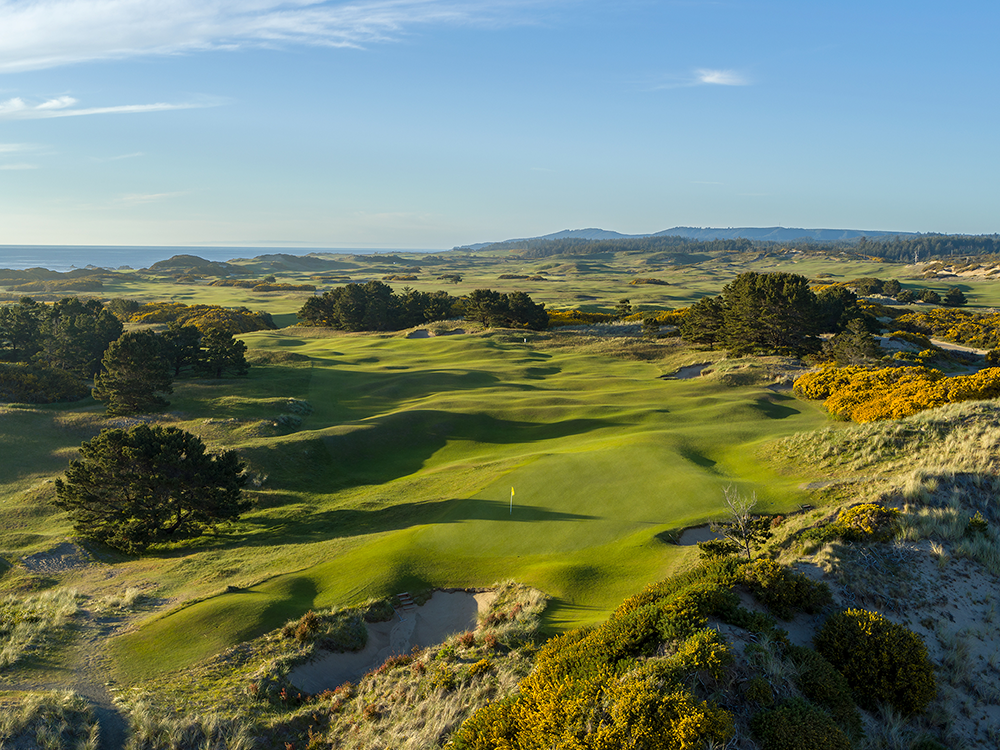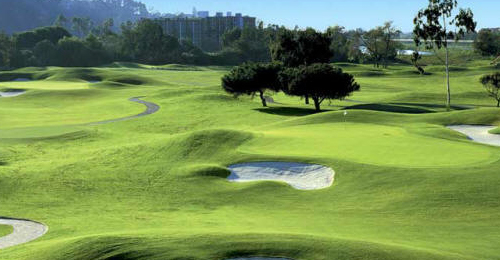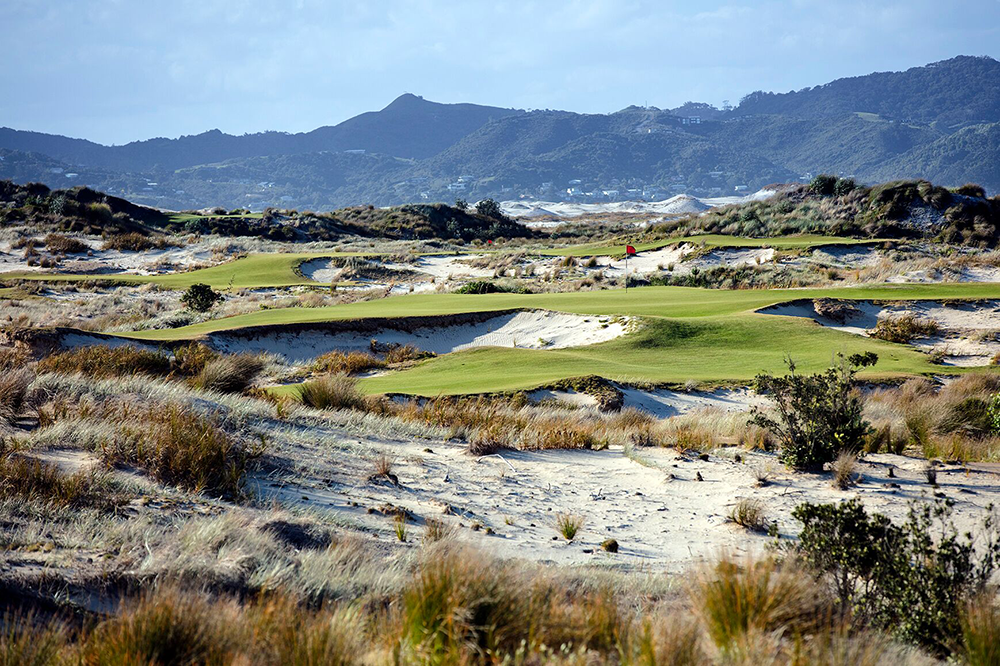

Tara Iti Golf Club

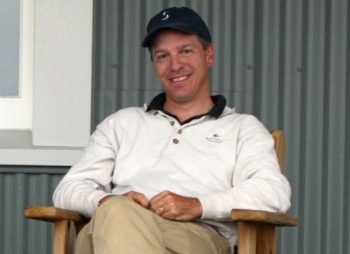
Tom Doak is one of the most influential figures in modern golf course architecture. Known for his thoughtful, minimalist approach and deep respect for the land, his work has shaped a generation of architects and redefined what great golf can be, natural, strategic, and timeless.
As the founder of Renaissance Golf Design, Tom built a firm that became synonymous with authenticity, restraint, and integrity in design. Over three decades, Renaissance evolved into a collaborative studio led by the architects who grew alongside him, Eric Iverson, Don Placek, Brian Slawnik, and Brian Schneider, each shaped by Tom's mentorship, philosophy, and example.
Every great golf architect studies the links of the British Isles, where the game itself was born. Thanks to a scholarship from Cornell University, Tom didn't just study them, he lived them.
After graduating, he spent a summer caddying at St. Andrews, followed by seven months traveling, playing, and studying nearly every great course in Britain and Ireland. There, he discovered a game played by all ages, on courses that cost almost nothing to build and were affordable for everyone to enjoy.
That experience shaped his guiding principle:
Golf should be natural, accessible, and built in harmony with the land.
That responsibility, to reflect the ideals of the game as it was meant to be played, has guided every course he has designed since.
Tom's ideas are informed by having seen more than 1,000 golf courses worldwide. What continues to fascinate him is not similarity, but difference, how great courses can be wildly unique while still feeling inevitable on their land.
The best designs, in his view, are organic, emerging from subtle landforms rather than imposed upon them. Occasionally, a piece of ground may echo a hole he saw decades ago, but the true joy is discovering something new: a hole that could only exist in that place.
That pursuit is what makes the travel, study, and endless refinement worthwhile.
Before striking out on his own, Tom spent three years working on construction projects with Pete Dye and his sons, learning how golf courses are built at the highest level. That experience taught him that great golf is not just about ideas, it's about execution, teamwork, and time in the dirt.
He learned to love the fieldwork: shaping, refining, and solving problems as a course comes to life. His first solo design came at age 26, and he has continued to refine the craft with every project since.
Reputation & Influence
Over the years, Tom has been called many things:
Iconoclastic. Cerebral. Traditionalist. Radical. Controversial.
He embraces the contradictions. Like his heroes Alister MacKenzie and Pete Dye, he believes that progress in golf architecture requires questioning norms, and sometimes upsetting them. Ironically, that same mindset has earned him the trust of some of the most conservative clubs in the world.
Today, Tom's work stands as both a challenge and an example: golf courses can be beautiful, strategic, sustainable, and deeply connected to their land.
Renaissance Golf Design was never just a firm, it was a school. The architects who now lead its work each came to know Tom in a different way, but all were shaped by his standards and philosophy.
Eric Iverson
Met Tom while working at Dye Designs, where Tom had previously worked for Pete Dye. Their shared foundation in construction and strategy created an immediate connection.
→ View bio
Don Placek →
Also met Tom through Dye Designs, where he was exposed to the same rigorous, hands-on approach to building golf courses that defines Tom's work.
→ View bio
Brian Slawnik →
Joined Renaissance Golf Design as an intern, learning the craft from the ground up and absorbing Tom's philosophy through direct experience in the field.
→ View bio
Brian Schneider
Brian's path began with a letter.
After graduating college with science degrees, he read The Anatomy of a Golf Course and The Confidential Guide and felt an immediate connection to Tom's thinking. He wrote to ask for a job, one he didn't get. Instead, Tom encouraged him to study great courses and learn why they worked.
For five years, Brian did exactly that, traveling, studying, and persistently checking in. In 2002, he finally got his chance when work began at Stonewall Golf Club in Pennsylvania. He jumped on a bulldozer, put his knowledge into action, and became a full-time Renaissance associate that fall.
→ View bio
Tom often reflects on how many people helped him when golf architecture was still a quiet, obscure profession. That generosity shaped his own approach to mentoring others.
Think in negative space
From Cornell advisor Tom Johnson: A golf hole isn't defined by what you add, but by what you remove. Imagine everything as fairway, then introduce obstacles only where they make the hole more interesting.
Hard work beats good ideas alone
From Pete and Alice Dye: Great courses come from great crews, long days, and relentless refinement.
Learn the bulldozer
From P.B. Dye: Shape the land yourself, think in three dimensions and design what can actually be built.
Give people room to play
From Ben Crenshaw: Design for the wind and for the average golfer. Playability and inclusivity matter.
Respect imperfection
From St. Andrews links manager Walter Woods: Variety is not a flaw, it's the game. Good players see differences and adjust; great courses invite that thinking.
Pacific Dunes (Bandon, Oregon, 2001)
Consistently ranked among the world's top 25 courses
Tara Iti (Auckland, New Zealand, 2015)
World top 30, considered by many to be Tom's finest work
Cape Kidnappers (Hawke's Bay, New Zealand, 2004)
Dramatic clifftop course, world top 50
Ballyneal (Holyoke, Colorado, 2006)
America's top 50, sand-based course that feels transported from Scotland
The Loop at Forest Dunes (Roscommon, Michigan, 2016)
The world's only full-length reversible golf course
Old Macdonald (Bandon, Oregon, 2010)
Tribute to Golden Age template holes
Eight courses designed by Tom rank in Golf Magazine's World Top 100
The Confidential Guide to Golf Courses (1996, updated 2014)
Frank evaluations of courses worldwide using the Doak Scale (0-10)
The Anatomy of a Golf Course (1992)
Essential reading on golf course architecture principles